
Achieving the Perfect Balayage Look
Explore the world of balayage at Adore Atlanta Hair Color and achieve the perfect sun-kissed look. Our experts in both our Atlanta Salon and Decatur Salon are ready to help you get the style you desire. Visit the best balayage hair salon in Atlanta and Decatur. to discover all our services and book your appointment today.
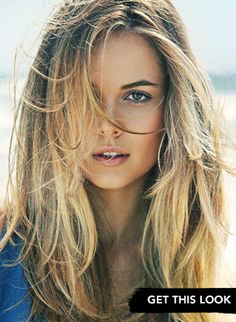 Balayage, a French term meaning ‘to sweep’, is a freehand hair coloring technique. It creates a natural, sun-kissed look that many find appealing.
But what makes balayage truly special is its low maintenance nature. Unlike other hair coloring methods, balayage grows out beautifully, reducing the need for frequent touch-ups.
In this comprehensive guide, we’ll delve into the art of balayage. We’ll explore its origins, compare it with traditional highlights, and provide a step-by-step guide on how it’s done.
Whether you’re considering balayage for the first time or looking to maintain your current balayage hair color, this guide is for you. Let’s embark on this journey to achieve the perfect balayage look.
Understanding Balayage and Its Origins
Balayage is a French word that translates to ‘sweeping’.
This term perfectly captures the essence of this hair coloring technique.
In balayage, hair color is swept or painted onto the hair to create a graduated, natural-looking effect. This technique originated in France in the 1970s and has since gained global popularity.
Here are some key points about balayage:
- It’s a freehand technique, meaning the colorist applies the color without using foils or caps.
- The color is applied on the surface of the hair and not saturated through the section until the very tips.
- This results in a more natural effect with less noticeable regrowth lines.
Balayage is loved for its ability to create a soft, sun-kissed look. It’s a versatile technique that can be customized to suit individual styles and preferences. Whether you’re after a subtle glow or a dramatic transformation, balayage can deliver the desired results.
Balayage vs. Traditional Highlights: What’s the Difference?
When it comes to hair coloring, balayage and traditional highlights are two popular techniques.
However, they differ in several ways. Traditional highlights involve applying color to small, even sections of hair from root to tip. This results in a uniform, consistent color that’s noticeably different from the base color.
On the other hand, balayage is a freehand technique. The colorist paints the color onto the hair, focusing on the mid-lengths and ends. This creates a more natural, sun-kissed effect.
The regrowth lines in balayage are less noticeable than in traditional highlights. This makes balayage a low-maintenance option for those who don’t want to visit the salon frequently for touch-ups.
In conclusion, while both techniques can add dimension and lightness to your hair, the choice between balayage and traditional highlights depends on the look you’re aiming for and how much maintenance you’re willing to commit to.
The Art of Balayage: Techniques and Application
Balayage is an art form that requires skill and precision. It’s not just about applying color to the hair, but about creating a look that’s unique to each individual.
The first step in the balayage process is the consultation. This is where you and your colorist discuss your hair goals, assess your hair’s condition, and decide on the right shade and intensity for your balayage.
Next, your colorist will start painting the color onto your hair. They’ll focus on the mid-lengths and ends, and use a sweeping motion to blend the color seamlessly. This is what gives balayage its natural, sun-kissed look.
Here are some key points to remember about the balayage application process:
- Balayage is a freehand technique, so each application is unique.
- The color is applied more heavily at the ends of the hair, and less so at the roots.
- The color is blended seamlessly into the hair to avoid harsh lines.
- The application process can take several hours, depending on the length and thickness of your hair.
After the color is applied, your hair will be left to process. The processing time can vary, but it’s usually between 30 to 45 minutes.
Once the processing time is up, your hair will be rinsed, and a toner may be applied to achieve the desired effect.
Finally, your hair will be styled, and you’ll be ready to show off your new balayage look.
Choosing Your Balayage: Shades and Customization
Choosing the right shade for your balayage is crucial. It should complement your skin tone and enhance your natural hair color.
Your colorist can help you choose the right shade. They’ll consider factors like your skin undertone, eye color, and personal style.
Remember, balayage is customizable. You can go for a subtle, natural look, or opt for a bold, dramatic effect. The choice is yours.
Finally, don’t forget to consider the intensity of your balayage. Do you want a soft, sun-kissed look, or a high-contrast, dimensional effect? Discuss your preferences with your colorist to ensure you get the balayage look you desire.
Preparing for Your Balayage Appointment
Before your balayage appointment, it’s important to prepare your hair. Start by avoiding any harsh treatments or products. These can strip your hair of its natural oils, which are essential for the balayage process.
Next, consider getting a trim. This will remove any split ends and ensure your hair is in the best possible condition. It will also help your colorist see the true length and shape of your hair.
Finally, arrive at your appointment with clean, dry hair. This will allow your colorist to accurately assess your hair’s condition and color, ensuring the best possible results.
The Balayage Process: A Step-by-Step Guide
The balayage process is a meticulous one, requiring a skilled hand and an artistic eye. It begins with a thorough consultation with your colorist. This is where you’ll discuss your desired look, the condition of your hair, and any previous color treatments.
Next, your colorist will mix the balayage lightener. This is a crucial step as the lightener’s strength can greatly affect the final result. The lightener is then applied using a freehand technique, painting it onto the hair in a sweeping motion.
The application process is where the artistry of balayage truly shines. Your colorist will strategically place the lightener to create a natural, sun-kissed look. This often involves focusing on the ends of the hair and around the face, where the sun would naturally lighten the hair.
After the lightener is applied, your hair will be left to process. The processing time can vary depending on your hair’s condition and the desired level of lightness. Once the desired level is reached, the lightener is rinsed out.
Next comes the toning process. This is where your colorist will apply a toner to neutralize any unwanted tones and enhance the desired color. The toner is then rinsed out, and your hair is washed and conditioned.
Finally, your hair is dried and styled. This is the moment of truth, where you’ll see your new balayage look come to life. With the right care and maintenance, your balayage can last for months, offering a low maintenance hair color option that’s as stylish as it is practical.
Maintaining Your Balayage: Tips and Tricks
Maintaining your balayage hair color doesn’t have to be a daunting task. With the right care, you can keep your balayage looking fresh and vibrant for months.
One of the key aspects of balayage maintenance is using the right hair care products. Opt for sulfate-free shampoos and conditioners, as these are gentler on color-treated hair. Additionally, using a color-protecting hair mask once a week can help to nourish your hair and maintain the color.
Here are some additional tips for maintaining your balayage:
- Avoid excessive heat styling, which can cause color to fade.
- Protect your hair from sun exposure, which can also cause color to fade.
- Get regular trims to keep your hair healthy and prevent color from looking dull.
- Refresh your balayage every 3-4 months, depending on your hair growth and the desired look.
Remember, balayage is a low maintenance hair color option, but it still requires some care. With these tips, you can ensure your balayage stays looking its best for as long as possible.
Balayage for Different Hair Textures and Lengths
One of the great things about balayage is its versatility. It can be adapted to suit different hair textures and lengths, making it a popular choice for many.
For those with curly or wavy hair, balayage can enhance the natural texture and add depth. On straight hair, it can create a soft, sun-kissed effect. Whether you have short, medium, or long hair, balayage can be tailored to create a flattering look.
In essence, no matter your hair type or length, there’s a balayage technique that can work for you.
Low Maintenance Hair Color: The Balayage Advantage
Balayage is often hailed as a low maintenance hair color option. This is largely due to the way it grows out. Unlike traditional highlights, balayage does not create a harsh line of demarcation as your hair grows.
This means you can go longer between salon visits without your hair looking unkempt. It’s an ideal choice for those who want a stylish hair color but don’t have the time or desire for frequent touch-ups.
In short, balayage offers the perfect balance of style and convenience, making it a go-to choice for many.
Conclusion: Embracing Your New Balayage Look
With its natural, sun-kissed effect and low maintenance nature, balayage is a hair color technique that suits a wide range of styles and preferences. It’s a versatile option that can be customized to create a look that’s uniquely you.
Whether you’re new to hair coloring or looking to switch up your current style, balayage offers a fresh and modern approach. It’s about embracing a look that’s effortlessly chic and easy to maintain.
So, are you ready to achieve the perfect balayage look? With the right knowledge and a skilled colorist, your dream hair is just an appointment away.